In recent years, Azerbaijan’s defence industry has expanded its production and technological capabilities across various areas of weapons and military equipment. These capabilities range from small arms, ammunition, artillery and armoured vehicles for the ground forces to unmanned aerial vehicles, aviation weapons, radar and air defence systems, as well as maritime platforms and unmanned maritime systems.
Expanding production capabilities for the ground forces
Azerbaijan’s defence industry is developing a broad range of products to meet the requirements of the ground forces. The country produces and upgrades small arms, ammunition of various calibres, mortars, artillery systems, armoured combat vehicles and other land-based military equipment. According to the Ministry of Defence Industry, more than 1,000 types of defence products are manufactured in the country.
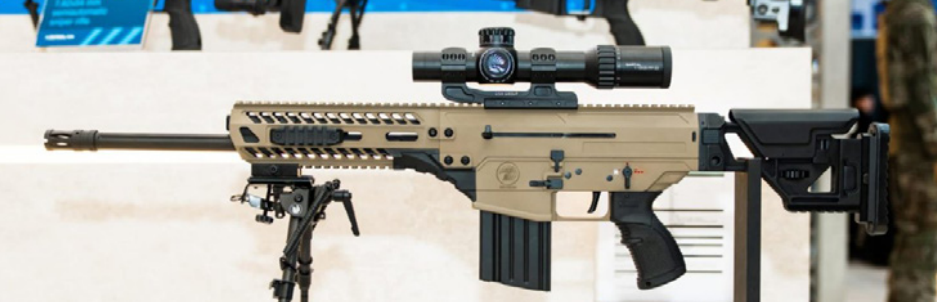
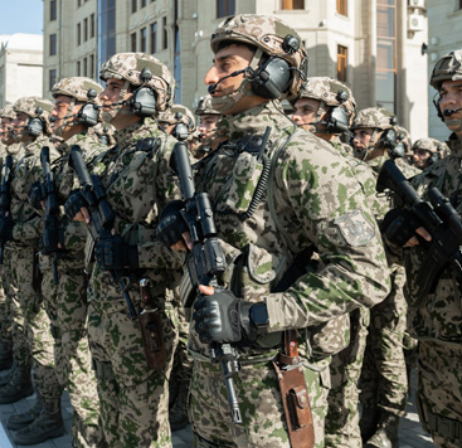
Among the products of Azersilah Defence Industry Holding are the Istiglal, Yalquzaq and Yirtici sniper rifles, the AZ 7.62 assault rifle, HP-7.62 and UP-7.62 machine guns, the Boran artillery system and the Ashirim mortar. The Ministry’s enterprises have also mastered the production of mortars of various calibres and their firing assemblies.
Domestic production capabilities also cover close-combat systems. The RBG-40 revolver-type grenade launcher, AQK-30 automatic grenade launcher system and RPQ-7V2 anti-tank hand-held grenade launcher are among the examples in this field. The fully domestic production of the AT-30 30 mm automatic cannon also demonstrates the expansion of Azerbaijan’s engineering capabilities in land-based weapon systems.
Ammunition production is an important element of domestic supply for the ground forces. Azersilah enterprises manufacture various types of cartridges, including armour-piercing and tracer ammunition.
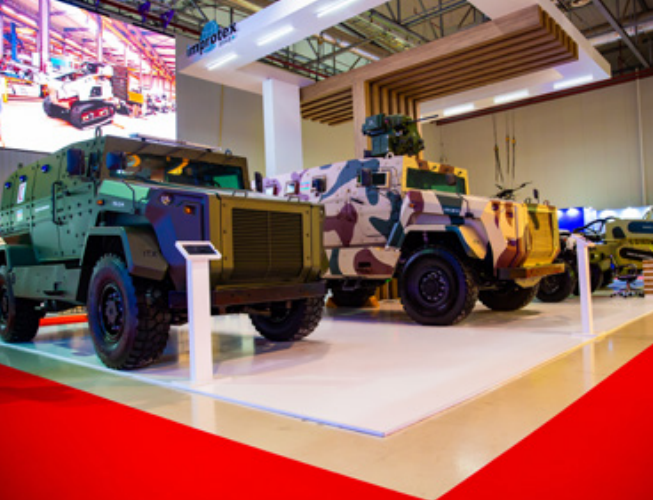
In the armoured vehicle sector, the Tufan mine-resistant armoured vehicle is one example of Azerbaijan’s domestic engineering capabilities. The platform is designed for various roles and can be equipped with a universal combat module capable of carrying different weapons.
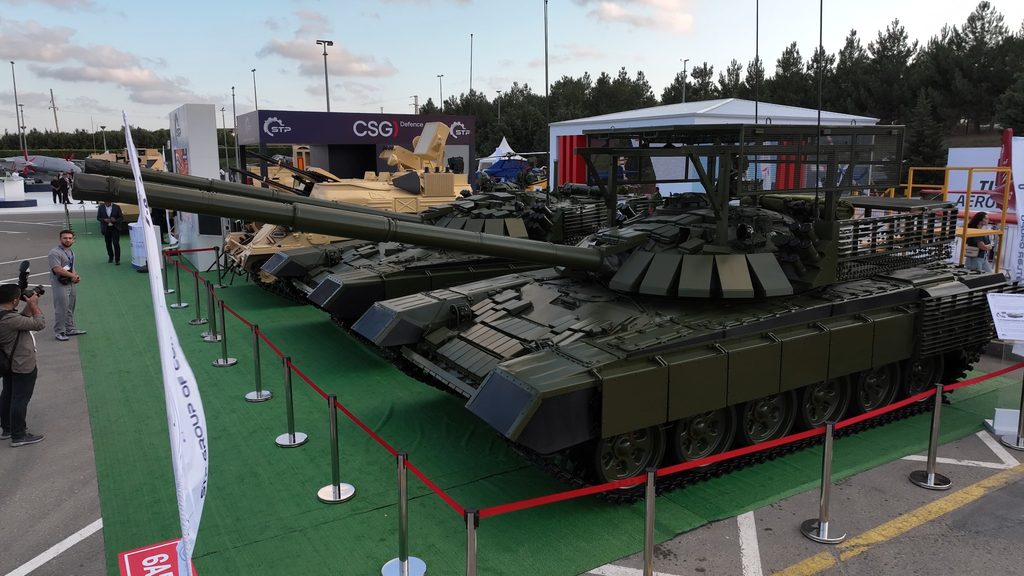
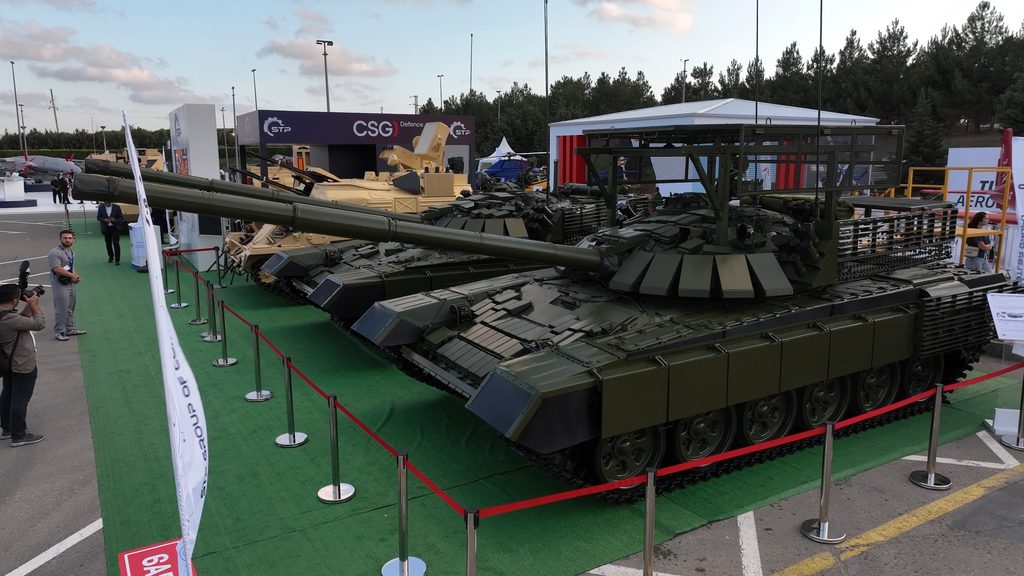
The domestic industry has also been involved in upgrading armoured platforms such as the BTR-70 and BRDM-2, carrying out deep modernization of T-72M1 tanks, BMP-1 infantry fighting vehicles and ZSU-23-4 Shilka systems, producing spare parts for various armoured vehicles and artillery systems, and developing engineering support equipment.
Modern ground warfare increasingly requires not only the production of platforms but also their integration with sensors, electro-optical systems, communications equipment and fire control systems. The creation of new production facilities and expansion of existing capabilities in these areas are an important part of the development of Azerbaijan’s defence industry.
Development of air platforms and aviation technologies
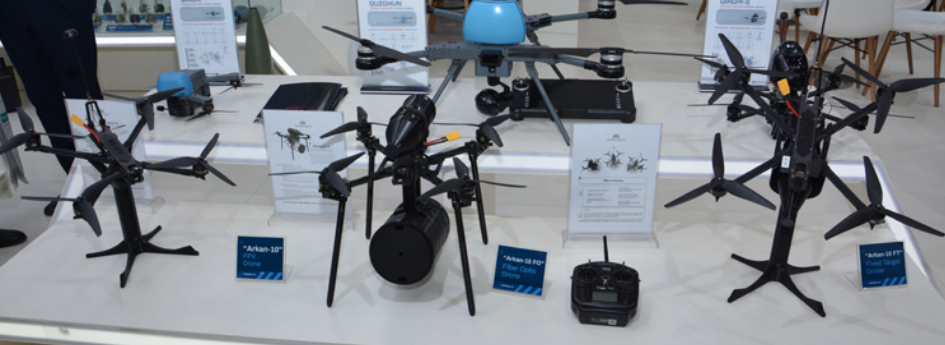
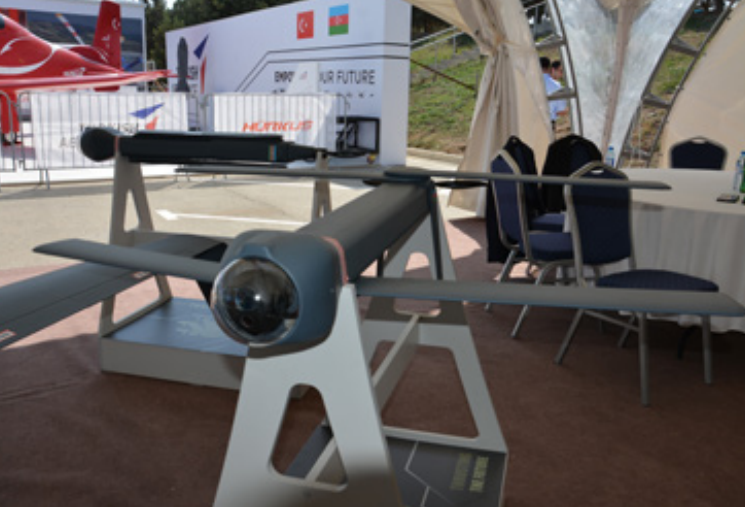
Azerbaijan’s defence industry in the air domain covers unmanned aerial vehicles, aviation weapons, radar and air defence systems, as well as the modernization of existing aviation assets. Enterprises of the Ministry of Defence Industry have developed experience in the production of various classes of UAVs, including Aerostar, Orbiter-2, Orbiter-3, Orbiter-4, Zarbe and Iti qovan.
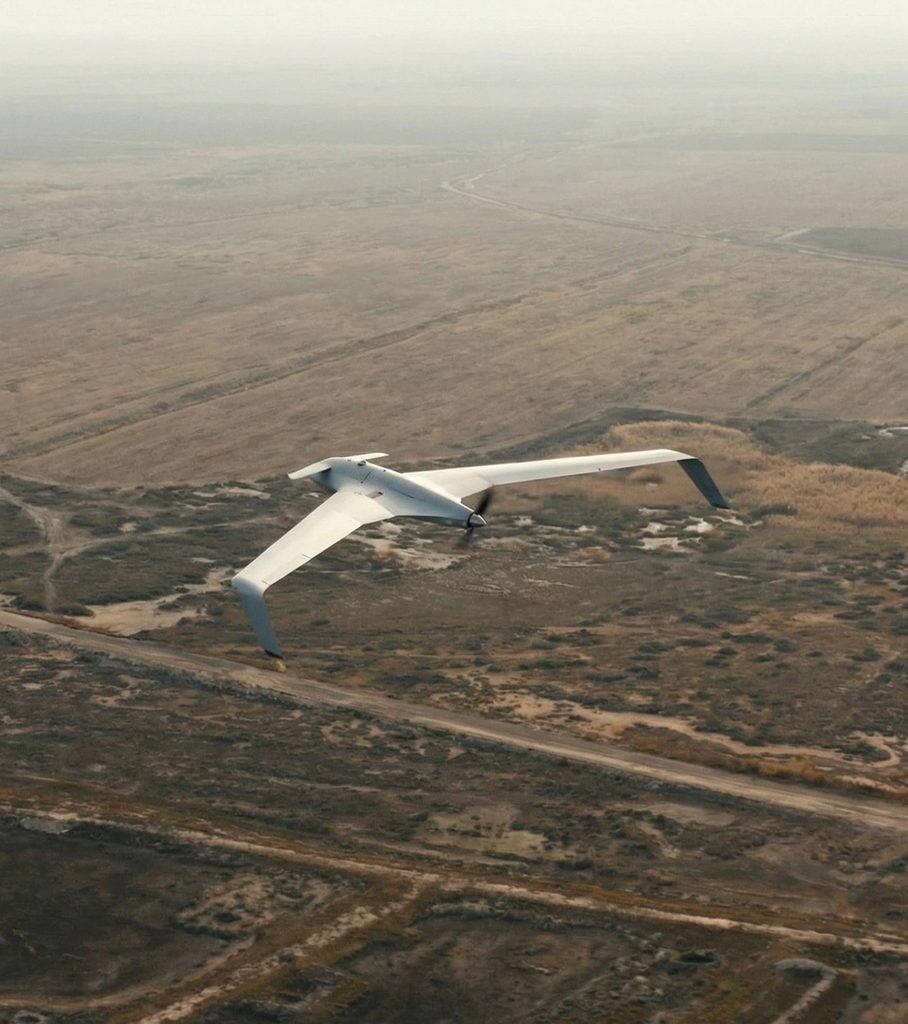
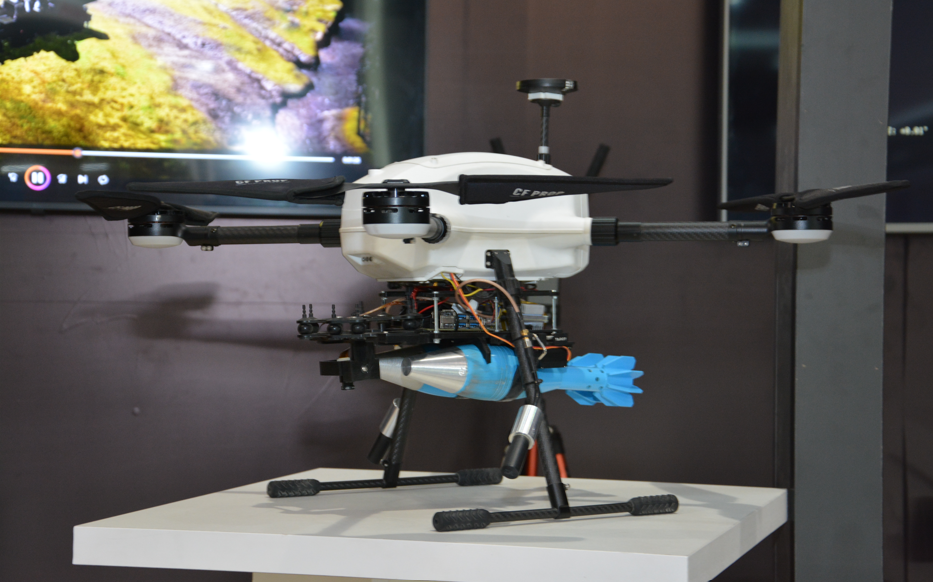
In the field of aviation weapons, the domestic industry has developed QFAB-25, QFAB-50, QFAB-100, QFAB-250 and BETAB-250 bombs.
Azerbaijan’s capabilities in the aerospace sector also include participation in Türkiye’s KAAN fifth-generation fighter aircraft project. A cooperation protocol was signed for the development and joint production of the KAAN project, and some of the project’s subsystems are currently being manufactured in Azerbaijan.
The modernization of the existing aviation fleet is another important area. Under the Lachn project, the Su-25 attack aircraft has been modernized, and trials have been conducted on the integration of new aviation weapons with the Su-25ML aircraft. The project includes avionics upgrades and the integration of Turkish-made smart bombs and missiles.
The renewal and modernization of the helicopter fleet also play an important role in the development of the Azerbaijani Air Force. Official information states that Mi-35M, Mi-24 and Mi-17 helicopters have been upgraded and equipped with new weapons. In the air defence domain, radar systems and surface-to-air missile systems constitute key components for airspace surveillance and protection.
From shipbuilding to unmanned maritime systems
Azerbaijan’s defence industry in the maritime domain encompasses military shipbuilding, the construction of border guard vessels, ship repair and maritime security systems. The Shipbuilding and Repair Centre of the Coast Guard of Azerbaijan’s State Border Service has carried out the domestic construction of various classes of border guard vessels. Tufan and Shahdag type vessels are equipped with modern navigation, radio-communication and radio-technical, surveillance and hydroacoustic systems and are used to protect the state border and energy infrastructure in the Caspian Sea. According to official information, the centre has constructed six third-class and one second-class border guard vessels within a relatively short period.
One of the new technological capabilities in the maritime domain is the joint production of unmanned maritime systems. In 2026, the joint production facility established by MİRAS Defence Industry Company, operating under the Ministry of Defence, and Türkiye’s DEARSAN produced the SALVO (SİDV) armed unmanned surface vessel and the KAYRA (KİDV) kamikaze unmanned surface vessel. Both systems have undergone practical trials.
Conclusion
The development of capabilities in the land, air and maritime domains is not limited to the production of new weapons and platforms. The modernization of existing military equipment, integration of different systems, implementation of joint projects with foreign partners, and production of components for complex military platforms demonstrate the expansion of Azerbaijan’s defence-industrial technological base. The development of these capabilities is contributing not only to the increased fulfilment of the country’s military requirements through domestic production, but also to the strengthening of the defence industry’s participation in international cooperation.