Defence localisation moves beyond assembly to engineering know how
Countries seeking to build domestic defence industries need to look beyond local assembly and develop the engineering skills, supply chains and workforce needed to sustain military systems over their operating lives, according to a senior Dassault Systemes executive.
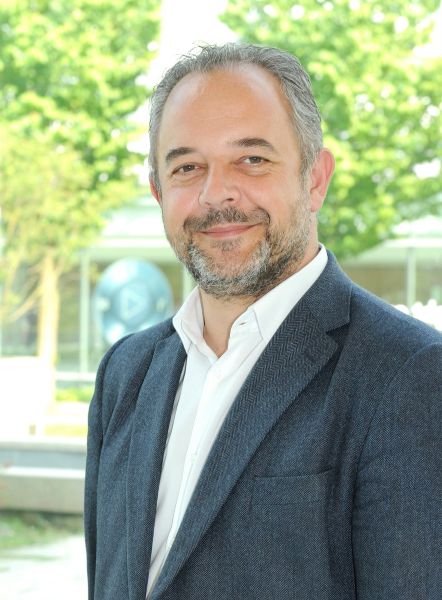
Pierre Marchadier, Vice President of Global Engagement and Industry Consultant at Dassault Systemes, said governments are increasingly examining what industrial capabilities they need to retain locally rather than viewing defence procurement simply as the acquisition of equipment.
The shift is also changing discussions around technology transfer and industrial partnerships.
“When you have universities where systems engineering is prioritised, where you're training a new generation of engineers and technicians, you can do a lot with that: defence work, high tech work, and more,” Marchadier told Jay Menon of GBP Aerospace & Defence.
The approach has implications for countries seeking to establish or expand their own defence manufacturing base. Local production alone does not necessarily provide the knowledge required to modify, maintain or develop a system independently.
Marchadier said governments need to understand the industrial capability behind a product, including where critical components originate and whether those supplies can be sustained. That requires looking beyond the platform itself to what he described as “supply chain architecture”.
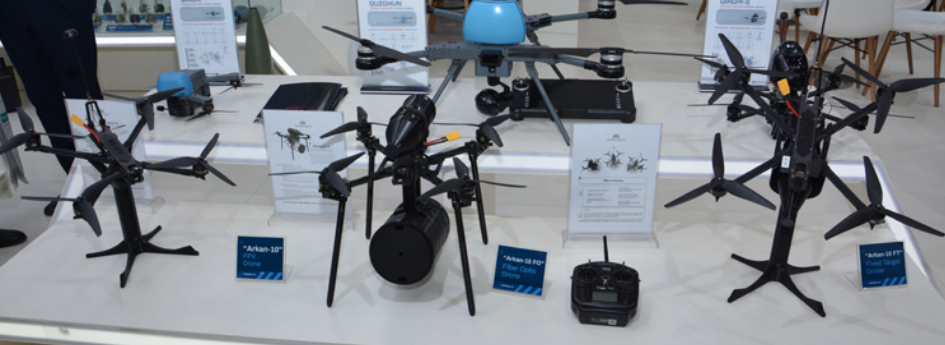
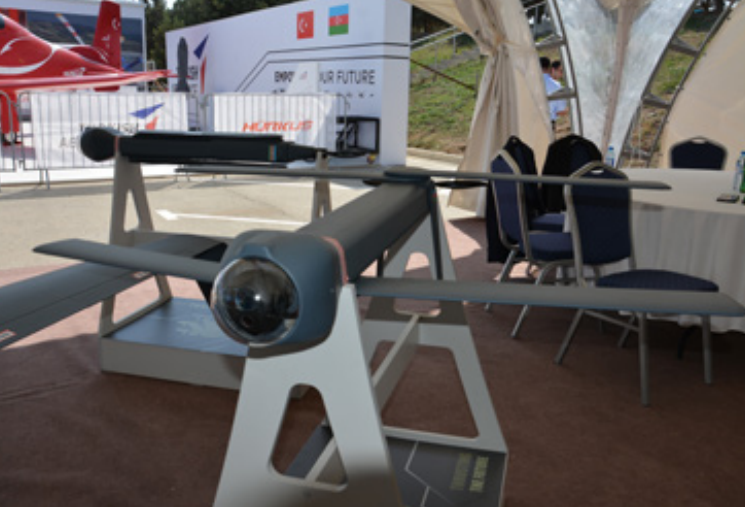
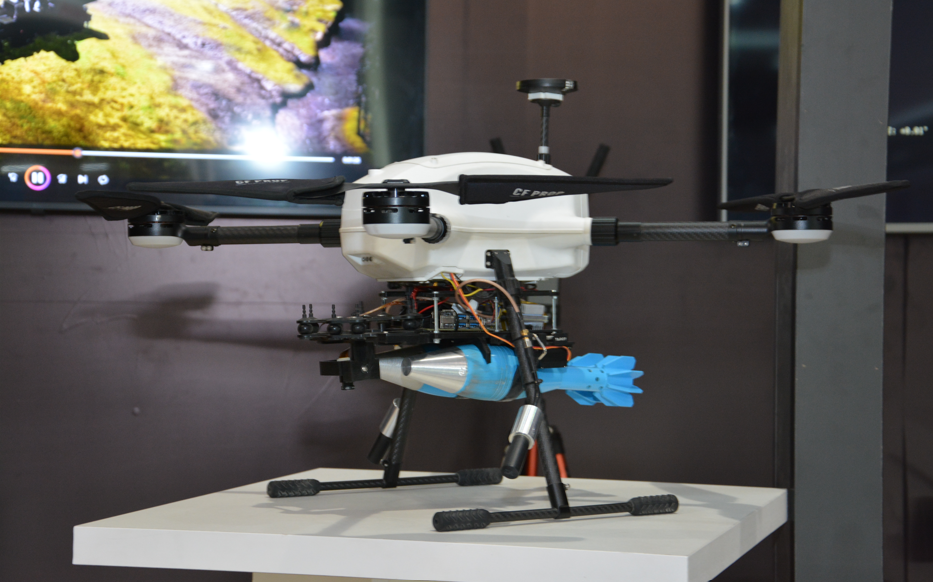
Drones provide one example of where local manufacturing ambitions can run into supply-chain dependencies. Marchadier said governments may identify existing industries that could be adapted to produce unmanned systems, but still need to establish where critical components such as engines come from and whether those supplies can be maintained. That assessment, he said, is part of determining which capabilities can realistically be developed domestically.
Dassault Systemes uses virtual twin technology to model an industrial ecosystem before investments are made. The model can identify whether local industry has the capacity to produce what a defence requirement demands and where additional factories, suppliers or skills may be needed.
The same approach can be applied before deciding whether a requirement should be met through an existing product, development of an existing system or a new local programme. Marchadier said the process begins with the mission, moves into system architecture and then considers the industrial resources available to deliver it.
Workforce development is a major part of that equation. Marchadier cited Dassault Systemes' work with industry and universities to develop systems engineering skills, arguing that sophisticated defence manufacturing requires investment not only in engineers but also technicians and production workers.
Digital engineering can shorten parts of the development process, particularly for new entrants working on less complex systems. But Marchadier cautioned against assuming that simulation and artificial intelligence allow countries to bypass the industrial knowledge required for complex programmes.
For governments pursuing greater indigenous capability, he said the challenge is therefore wider than transferring a production line. It involves understanding the mission, mastering the engineering process and developing the suppliers and people required to sustain production.
Marchadier expects that to create demand for local partnerships as defence organisations adopt increasingly complex modelling and simulation tools.
“Having people on the ground to help translate and run the solution matters,” he said. “We're increasingly building that kind of close working relationship with customers.”
For countries building their defence industrial base, Marchadier said continuity is equally important. Industrial capability develops over years, spanning research, education, manufacturing and sustainment rather than a single procurement programme.