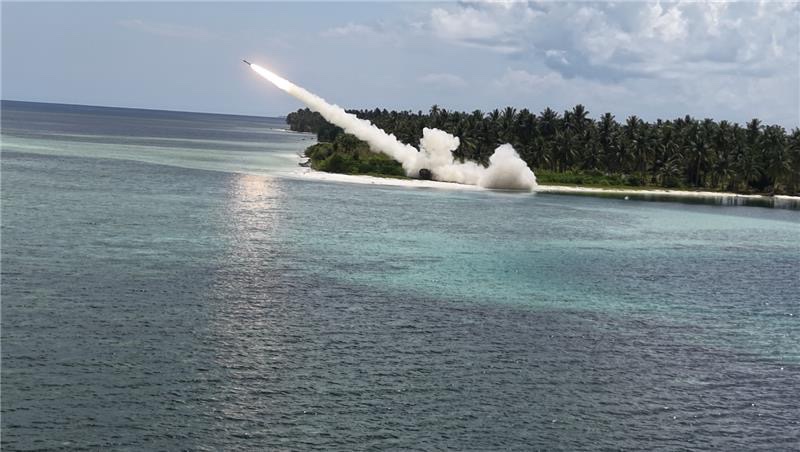
The quiet maritime corridor off northern Sabah is rapidly shifting into a strategic geopolitical hotspot as escalating military activities near the Balabac Strait bring the expanding United States and China rivalry directly to Malaysia’s doorstep. The ongoing development of military infrastructure on the Philippine island of Balabac, located merely 50 km north of Sabah’s Banggi Island under the Enhanced Defence Cooperation Agreement (EDCA) with the United States, has drawn serious scrutiny from policymakers in Putrajaya. This operational site grants American armed forces strategic access near critical maritime chokepoints connecting the Sulu Sea to the South China Sea. Consequently, defence analysts observe that northern Sabah has effectively transformed into a frontline observation zone amidst intensifying competition between Washington and Beijing over Taiwan and maritime transit routes.
Concurrently, regional security dynamics remain further complicated by persistent maritime encounters across the Exclusive Economic Zone (EEZ). The strategic proximity of foreign military infrastructure off Palawan introduces complex military considerations for the Royal Malaysian Navy and the Malaysian Maritime Enforcement Agency. Addressing these pressing regional security shifts during recent government budget engagement sessions in Putrajaya, Prime Minister Datuk Seri Anwar Ibrahim voiced explicit concern regarding the surrounding military escalation. Prime Minister Anwar stated, "Malaysia cannot match the scale of facilities being developed but will strengthen its basic defence capabilities".
Official Reports
According to reports published by leading national news agency Bernama and mainstream daily The Star on 26 August 2026, defence observers highlight that the strategic proximity of Balabac presents both practical operational risks and diplomatic friction for Malaysia. Defence Minister Datuk Seri Mohamed Khaled Nordin warned that more military assets within a confined geographical space increase "the possibility of miscalculation, misunderstanding or even a small incident escalating into something more serious," particularly near Sabah within this contested maritime environment.
Meanwhile, Parti Warisan President Datuk Seri Mohd Shafie Apdal urged national calm, asserting that "Sabah should never be caught up in the rivalry of major powers" and emphasizing that "our decisions must always be guided by Malaysia's own interests, our sovereignty, and the security of our people". Nevertheless, Malaysian authorities maintain that Putrajaya will adhere strictly to international legal frameworks, notably the 1982 United Nations Convention on the Law of the Sea (UNCLOS), to navigate Great Power friction while reinforcing local maritime vigilance.
Ultimately, the accelerating militarisation along regional sea lines of communication underlines a profound strategic dilemma for ASEAN members. While the United States expands its logistical footprint across nine designated sites within the Philippines to enhance operational depth, China continues to project maritime power through frequent Coast Guard patrols across disputed waters. For Malaysia, balancing defense preparedness without triggering regional naval race dynamics remains essential. As superpower friction moves closer to the East Malaysia maritime frontier, regional security organs including the Eastern Sabah Security Command (ESSCOM) must continue upgrading surveillance apparatuses to ensure national sovereignty remains uncompromised.